

How to Rid Your House of Mold After Water Damage
Water damage can happen unexpectedly, whether it’s a burst pipe, leaking appliance, or flooded basement. But even after the standing water is gone, another problem may be developing behind the scenes: mold.
Mold thrives in damp environments and can begin growing within 24 to 48 hours when moisture isn’t properly addressed. Worse, water often becomes trapped inside drywall, insulation, flooring, and other building materials long after surfaces appear dry.
Learning how to rid your house of mold starts with understanding the difference between preventing mold and removing growth that’s already developed. Both require addressing the underlying moisture problem, but the cleanup process depends on how widespread the damage has become.
Here’s what homeowners need to know about preventing mold after water damage, safely handling existing growth, and recognizing when professional remediation is necessary.
Key Takeaways: What Homeowners Should Know About Mold After Water Damage
- Act within 24–48 hours. The EPA recommends drying water-damaged materials within this window to help prevent mold growth.
- Visible water is only part of the problem. Moisture can remain trapped beneath flooring, behind walls, and inside insulation.
- Some materials can be saved, while others require replacement. Heavily contaminated porous materials may be impossible to clean completely.
- The water source matters. Flooding and slow plumbing leaks present different cleanup challenges, especially when contamination or hidden moisture is involved.
- Mold will likely return if moisture remains. Successful remediation requires removing contamination and correcting the conditions that allowed it to develop.
How to Prevent Mold After Water Damage
A quick response is key to preventing mold after water damage. The goal is to remove standing water, dry affected materials, and eliminate the source before mold has an opportunity to develop. However, your approach will depend on whether you’re dealing with a recent leak or more extensive flooding.
The First 24–48 Hours
The first two days are critical. The Environmental Protection Agency (EPA) recommends drying water-damaged areas and belongings within 24–48 hours to help prevent mold growth.
If you’re trying to figure out how to prevent mold growth after water damage, start by stopping the water source. Before beginning cleanup, check for electrical hazards or potentially contaminated water, and avoid entering unsafe flooded areas.
Once it’s safe, remove standing water and begin drying with dehumidifiers, ventilation, and appropriate drying equipment. Separate belongings that can be salvaged from saturated materials that may require disposal, particularly carpet padding and insulation.
Household fans and dehumidifiers can help with minor incidents, but significant water intrusion often requires professional extraction and structural drying. If visible mold is already present, avoid directing fans toward the growth, as this can spread spores.

How to Prevent Mold After a Flood
Flooding presents additional challenges compared to everyday water damage because large amounts of water can saturate multiple areas of the home simultaneously. Flooring, drywall, insulation, and structural framing may all be affected.
Understanding how to prevent mold after a flood also means recognizing contamination risks. Stormwater and sewage backups can introduce bacteria and other harmful substances that require specialized cleanup.
Heavily saturated porous materials may need removal, particularly when contaminated water is involved. For extensive flooding, professional water extraction and structural drying are often necessary before repairs can safely begin.
How to Prevent Mold After a Leak
Unlike flooding, small leaks can go unnoticed for weeks or months, allowing mold to develop before the water damage becomes obvious.
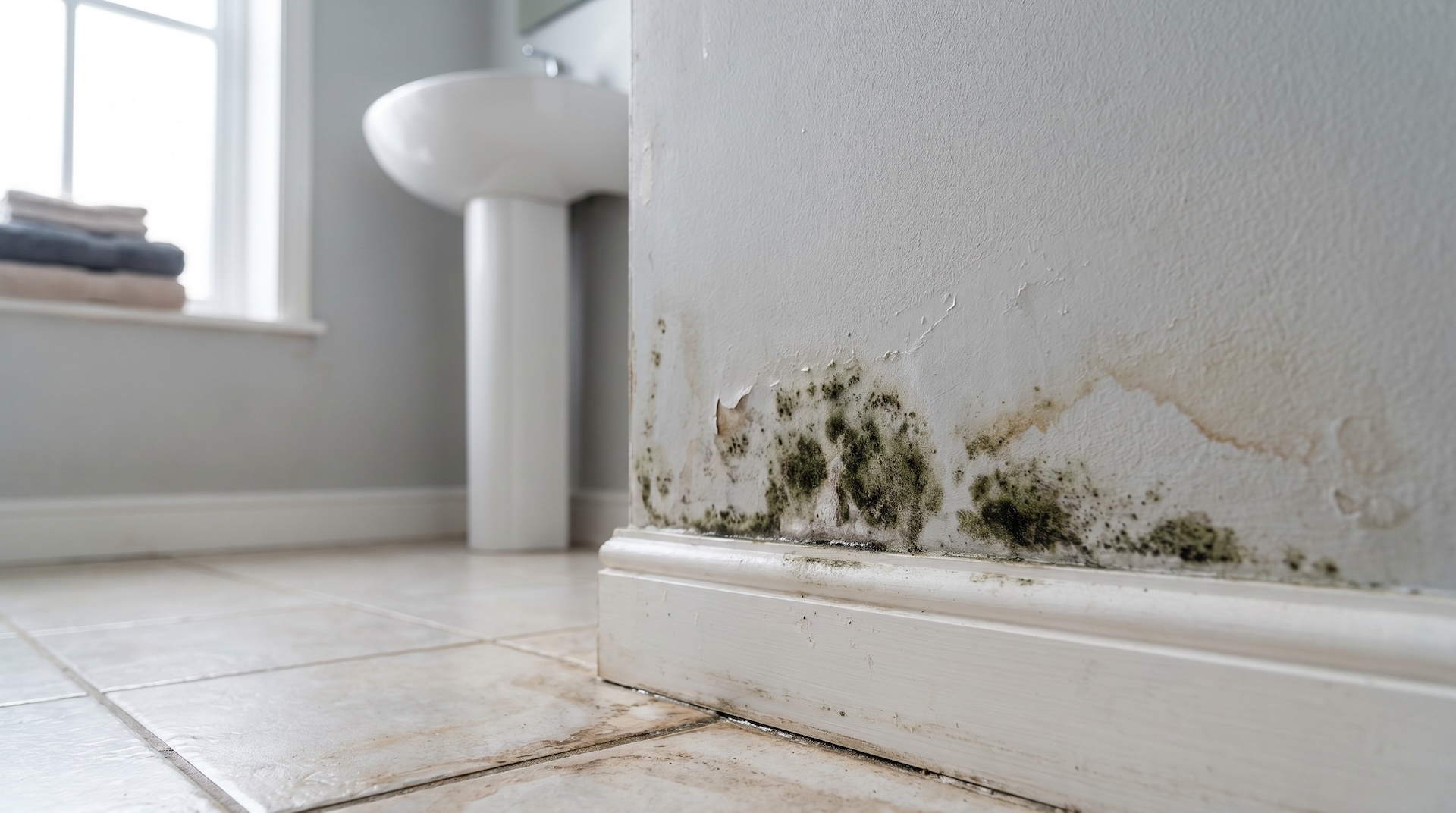
Knowing how to prevent mold after a leak starts with recognizing warning signs such as bubbling paint, discolored drywall, warped flooring, and persistent musty odors.
Once the source is identified, repair the leak and assess surrounding materials for moisture. Water can travel along framing and through wall cavities, so the visible damage may not reveal the full extent of the problem.
When moisture has spread behind walls or beneath flooring, professional detection equipment can help determine what needs to be dried or replaced before cosmetic repairs begin.
How to Rid House of Mold When Growth Has Already Started
Prevention is the ideal mold mitigation strategy, but what should you do once mold has already developed? Well, drying alone isn’t enough. Existing contamination must be removed, and materials that cannot be safely cleaned may need replacement.
The appropriate approach depends on how much mold is present, which surfaces are affected, and whether the moisture problem has been resolved.
What Mold Can You Safely Clean Yourself?
Small, isolated mold problems on hard surfaces may be manageable for homeowners.
According to the EPA’s mold cleanup guidance, mold growth covering less than approximately 10 square feet can often be handled without professional remediation, depending on the circumstances.
For suitable hard surfaces, the EPA recommends scrubbing away mold with detergent and water, then drying the area completely. Appropriate protective equipment is important, and homeowners should avoid disturbing mold unnecessarily.
However, size isn’t the only consideration. Mold associated with sewage, extensive water damage, hidden contamination, or sensitive occupants may require professional assistance even when visible growth appears limited.
Avoid relying on bleach, household sprays, or mold-resistant paint as substitutes for properly removing contamination. Covering mold without correcting the moisture problem allows growth to continue.
When Mold-Damaged Materials Need to Be Replaced
Porous materials such as drywall, insulation, carpeting, and ceiling tiles can absorb moisture deep into their structure. Once mold penetrates these materials, surface cleaning may not be sufficient.
The EPA explains that moldy porous materials sometimes need to be discarded because growth can develop inside spaces that are difficult or impossible to clean completely.
Mold behind walls or beneath flooring can also expand the scope of restoration. Removing damaged materials may expose additional growth that wasn’t visible during the initial inspection.Professional remediation teams use
containment methods, HEPA filtration, and controlled material removal to help prevent contamination from spreading during cleanup.
How to Prevent Mold Growth After Water Damage Long Term
Once cleanup is complete, long-term prevention comes down to maintaining a dry indoor environment and watching for recurring moisture problems.
Before installing replacement drywall, insulation, or flooring, confirm that affected structural materials have reached appropriate moisture levels. While homeowners are understandably eager to rebuild, doing so too early can trap moisture behind finished surfaces.
Indoor humidity also matters. The CDC recommends keeping indoor humidity no higher than 50%. A hygrometer can help you monitor conditions, while dehumidifiers and properly vented exhaust fans can control moisture in basements, bathrooms, and other vulnerable areas.
Continue checking previously damaged areas for new stains, musty odors, or condensation. Maintain plumbing, drainage, and ventilation systems to reduce the likelihood of another moisture problem.
Mold-resistant paints and materials can offer additional protection, but they’re no substitute for keeping your home dry.
When to Call a Professional Mold Remediation Company
While small areas of mold may be manageable with proper cleaning, larger or recurring problems often require professional remediation.
If mold continues spreading, returns after previous cleaning, or appears alongside persistent musty odors, there’s a good chance moisture remains somewhere inside the home. The same applies when water damage has affected drywall, insulation, flooring, or structural framing.
Professional remediation becomes especially important following extensive flooding, sewage backups, or water damage that wasn’t addressed promptly. These situations can involve hidden contamination that ordinary household cleaning methods cannot fully resolve.
Restoration professionals like Revive use moisture detection equipment, containment systems, HEPA filtration, and specialized cleaning methods to identify affected areas and remove contamination safely. When necessary, damaged materials are removed and replaced after the structure has been properly dried.
Revive Restoration specializes in both mold remediation and water damage restoration. Our team helps homeowners identify hidden moisture, address mold contamination, and restore affected materials before the damage becomes more extensive.
Don’t Let Water Damage Turn Into a Larger Mold Problem
Stopping the water source, drying affected materials promptly, and properly removing existing mold can make a significant difference in the extent of the damage. But when contamination has already developed, what you see on the surface may only be part of the problem.
If you’re unsure how to rid your house of mold safely or suspect water damage has led to hidden growth, Revive Restoration is here to help. We provide professional mold remediation and water damage restoration services throughout Wisconsin and Minnesota, helping homeowners address contamination thoroughly and restore their properties with confidence.

Newsletter Coming Soon!
Receive regular updates on tips and tricks to keep your house or office building in tip-top shape.