

Emergency Mold Remediation: What Homeowners Should Expect
Professional Mold Remediation Process: What You Should Expect
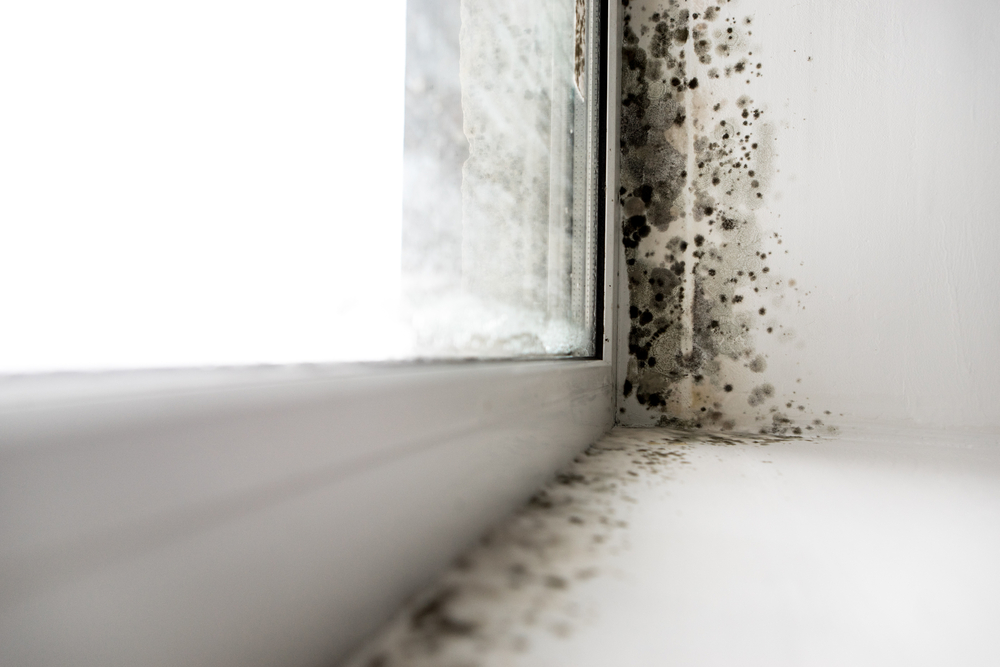
Discovering mold in your home can be alarming, especially if it appears after a burst pipe, flooded basement, roof leak, or other water damage event. You may know mold needs to be removed, but still wonder what happens after you call a restoration company.
Understanding emergency mold remediation can help you know what to expect, make informed decisions, and feel more confident throughout the restoration process. Mold remediation removes much more than the mold you can see. It’s a structured process designed to identify the moisture source, stop mold from spreading, and restore your home safely.
The faster remediation begins, the better. According to the U.S. Environmental Protection Agency (EPA), mold can begin growing within 24 to 48 hours after water damage if moisture isn’t properly addressed. Fast emergency mold remediation helps limit damage and reduce restoration costs.
Key Takeaways: What to Know About Emergency Mold Remediation
- Emergency mold remediation begins by identifying and eliminating the moisture source, not simply removing visible mold.
- Professional remediation follows a structured process that includes inspection, containment, mold removal, drying, cleaning, and final verification.
- Most remediation projects take anywhere from one day to several weeks, depending on the size and severity of the damage.
- Hidden moisture often means the mold you see is only a small part of the overall problem.
- Successful remediation focuses on preventing future mold growth, not just cleaning affected surfaces.
How Does Mold Remediation Work During an Emergency?
Many homeowners assume mold remediation simply means spraying chemicals on mold or replacing damaged drywall. In reality, the process is much more comprehensive.
So, how does mold remediation work?
Professional remediation addresses two problems at the same time: the mold itself and the moisture that allowed it to grow. If professionals don’t correct the water source first, mold will likely return, even after visible growth has been removed.
The process typically begins with a thorough inspection to determine the extent of the contamination and identify the source of the moisture. Next, technicians isolate the affected area to prevent mold spores from spreading throughout the home before beginning removal and cleaning.
The EPA emphasizes that successful mold remediation always starts by correcting the underlying moisture problem. Simply cleaning mold without addressing the source of water will not solve the issue.
Professional remediation also follows industry standards established by organizations like the Institute of Inspection Cleaning and Restoration Certification (IICRC), helping ensure mold is removed safely while minimizing the risk of cross-contamination.

Mold Remediation Steps: What Actually Happens During the Process
Every restoration company has its own workflow, but the core mold remediation steps are generally the same. Following a structured process helps ensure mold is removed safely while protecting the rest of your home from contamination.
Step 1: Inspection and Moisture Detection
Every project begins with a detailed inspection.
Technicians visually assess the affected areas while using moisture meters and thermal imaging cameras to identify hidden moisture inside walls, ceilings, flooring, and other structural materials. Because mold often grows where moisture isn’t visible, specialized equipment helps determine the true scope of the problem. The inspection also identifies the source of the water intrusion, whether it’s a plumbing leak, roof leak, foundation issue, or another source of moisture.
Step 2: Containment to Prevent Mold Spore Spread
Before removal begins, the affected area is isolated to prevent mold spores from spreading throughout the home.
Containment typically involves installing heavy plastic barriers around the work area and creating negative air pressure using specialized equipment. Containment keeps airborne spores from migrating into unaffected rooms while remediation is underway.
For larger projects, technicians may establish designated entry and exit points to further reduce cross-contamination.
Step 3: Mold Removal and Cleaning of Affected Materials
With containment in place, mold removal begins.
Materials that cannot be safely cleaned, such as heavily contaminated drywall, insulation, or carpeting, may need to be removed and disposed of properly. Salvageable structural materials are carefully cleaned using HEPA vacuums, antimicrobial treatments, and specialized cleaning methods designed for mold remediation.
Step 4: Structural Drying and Moisture Monitoring
Removing mold without thoroughly drying the structure is one of the biggest reasons mold problems return.
Industrial air movers and commercial-grade dehumidifiers remove remaining moisture from structural materials. Throughout the drying process, technicians continue monitoring moisture levels to verify that the home is drying properly before reconstruction begins. Structural drying often continues even after visible mold has been removed.
Step 5: Final Verification and Restoration
Once moisture levels have returned to acceptable levels, containment barriers are removed and any necessary repairs can begin.
Depending on the project, restoration may include replacing drywall, reinstalling insulation, repainting walls, replacing flooring, or rebuilding other damaged materials.
How Long Does Mold Removal Take After Water Damage?
One of the first questions homeowners ask after scheduling emergency mold remediation is, “How long does mold removal take?”
The honest answer depends on several factors, including the size of the affected area, how long the mold has been growing, and whether structural repairs are needed after remediation.
Small Mold Remediation Projects: 1-3 Days
When mold is limited to a single room or a small area and the moisture source has been addressed quickly, remediation can often be completed in 1-3 days. These projects typically involve minimal demolition and relatively straightforward cleaning and drying.
Moderate Mold Remediation Projects: Several Days to One Week
If mold has spread into multiple rooms or affected drywall, insulation, or flooring, the process takes longer. These projects often require additional containment, removal of damaged materials, and several days of structural drying before repairs can begin.
In many cases, moderate remediation projects are completed within several days to about one week, depending on moisture levels and the extent of reconstruction required.
Large or Severe Mold Damage: Several Weeks
Large remediation projects are the most time-intensive. Mold that has spread throughout multiple areas of the home, entered HVAC systems, or affected structural framing requires a much more extensive approach. Crawlspace mold remediation, widespread water damage, or long-term moisture problems can also extend the timeline.
In these situations, remediation may take several weeks, particularly if significant reconstruction is needed afterward.
It’s also important to remember that mold remediation and home restoration are not always the same project. Once mold has been safely removed and moisture levels have been verified, additional time may be needed to replace drywall, flooring, insulation, trim, or other damaged building materials.
Preparing Your Home Before Mold Remediation Begins
Knowing what will happen before technicians arrive can make the process less stressful.
Depending on the size of the affected area, your restoration team may recommend removing valuable or fragile belongings before work begins. Furniture, artwork, electronics, and important documents should be protected whenever possible.
Once remediation starts, expect containment barriers to be installed around the work area. These barriers help prevent mold spores from spreading to unaffected parts of the home and are a normal part of professional mold remediation steps.
You’ll also likely notice commercial drying equipment running throughout the process. Air movers, dehumidifiers, and HEPA air scrubbers often operate continuously to remove moisture and improve air quality. While these machines can be noisy, they’re an important part of restoring the home properly.
If pets or young children live in the home, your restoration contractor may recommend keeping them away from the affected areas until remediation is complete.
Do not disturb visible mold yourself. Scrubbing mold, tearing out drywall, or moving contaminated materials without proper containment can spread spores into other areas of the home and make remediation more difficult.
When Emergency Mold Remediation Can’t Wait
Not every mold problem requires an immediate response, but some situations simply shouldn’t wait.
If mold develops after a flood, burst pipe, sewage backup, or another significant water damage event, emergency mold remediation can help prevent contamination from spreading throughout the home.
You should also contact a professional as soon as possible if you notice:
- Rapidly expanding visible mold
- Strong, persistent musty odors after water damage
- Mold affecting multiple rooms
- Water damage that wasn’t dried within 24 to 48 hours
- Occupants experiencing respiratory concerns that may be related to mold exposure
Waiting too long often allows moisture to continue damaging drywall, insulation, wood framing, and flooring. As the affected area grows, remediation typically becomes more extensive (and more expensive). The sooner the moisture source is identified and corrected, the sooner your home can begin drying and the less opportunity mold has to spread.
Fast Action Leads to Better Mold Remediation Outcomes
If you suspect mold in your home, don’t wait for the damage to become more extensive. Revive Restoration provides professional mold remediation and water damage restoration services to help homeowners identify hidden moisture, safely remove contamination, and restore their homes with confidence.
Contact Revive Restoration today to schedule an inspection and take the first step toward a healthier, safer home.

Newsletter Coming Soon!
Receive regular updates on tips and tricks to keep your house or office building in tip-top shape.